The Future of Personalized Education
Personalized education is transforming the way students learn, teachers teach, and schools measure success. Instead of expecting every learner to move through the same curriculum at the same pace, personalized learning adapts instruction to individual needs, interests, strengths, and goals. As technology advances and TG88 educators gain access to better tools, the future of personalized education promises a more flexible, inclusive, and effective learning experience for students of all ages.
What Is Personalized Education?
Personalized education is an approach to learning that tailors lessons, activities, feedback, and assessments to each student. It recognizes that learners have different backgrounds, learning styles, abilities, and motivations. Some students may need extra support in reading, while others are ready for advanced math challenges. Some learn best through visual materials, while others benefit from discussion, practice, or hands-on projects.
In a personalized learning environment, students are not passive receivers of information. They play an active role in setting goals, tracking progress, and choosing learning pathways. Teachers act as guides, mentors, and facilitators, using data and observation to support each learner more effectively.
The Role of Technology in Personalized Learning
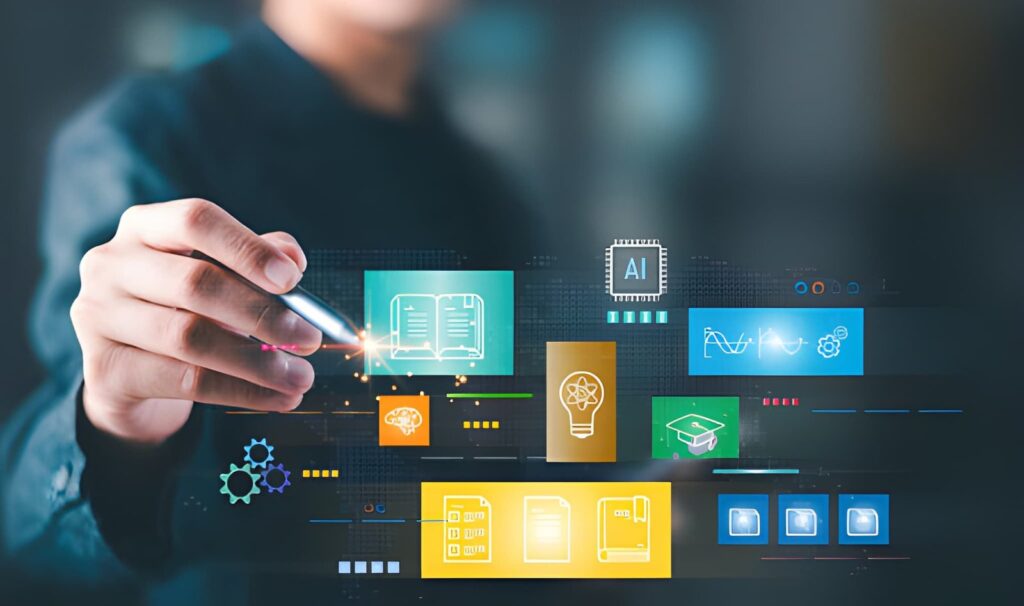
Technology is one of the biggest drivers of personalized education. Digital learning platforms, artificial intelligence, adaptive software, and learning analytics allow educators to understand student progress in real time. These tools can identify gaps in knowledge, recommend resources, and adjust difficulty levels automatically.
For example, an adaptive math program can provide additional practice when a student struggles with fractions, then move to more advanced problems once mastery is achieved. Similarly, language learning apps can customize vocabulary, pronunciation exercises, and grammar lessons based on individual performance.
However, technology is not meant to replace teachers. The future of personalized education depends on combining smart tools with human insight. Teachers bring empathy, creativity, cultural understanding, and emotional support—qualities that technology cannot fully replicate.
Artificial Intelligence and Adaptive Learning
Artificial intelligence will play a major role in the future of personalized education. AI-powered systems can analyze large amounts of student data and provide meaningful recommendations. These systems may help teachers design individualized lesson plans, predict which students need intervention, and offer instant feedback on assignments.
AI tutors are also becoming more advanced. They can answer questions, explain concepts in different ways, and provide practice exercises anytime students need help. This is especially valuable for learners who require additional support outside regular classroom hours.
Still, responsible use of AI in education is essential. Schools must protect student privacy, prevent bias in algorithms, and ensure that AI tools support—not control—the learning process. The most successful educational models will use AI ethically and transparently.
Flexible Learning Paths for Every Student
One of the most important benefits of personalized education is flexibility. Traditional education often follows a fixed schedule, where all students study the same topics at the same time. Personalized learning allows students to move forward when they are ready and spend more time on areas where they need support.
Flexible learning paths can also include student choice. Learners may be able to choose project topics, reading materials, or methods for demonstrating understanding. For example, one student might write an essay about climate change, while another creates a presentation or video. Both can meet the same learning objectives while using different formats.
This flexibility helps increase engagement because students feel more ownership over their education. When learning connects to personal interests and real-world goals, motivation often improves.
The Changing Role of Teachers
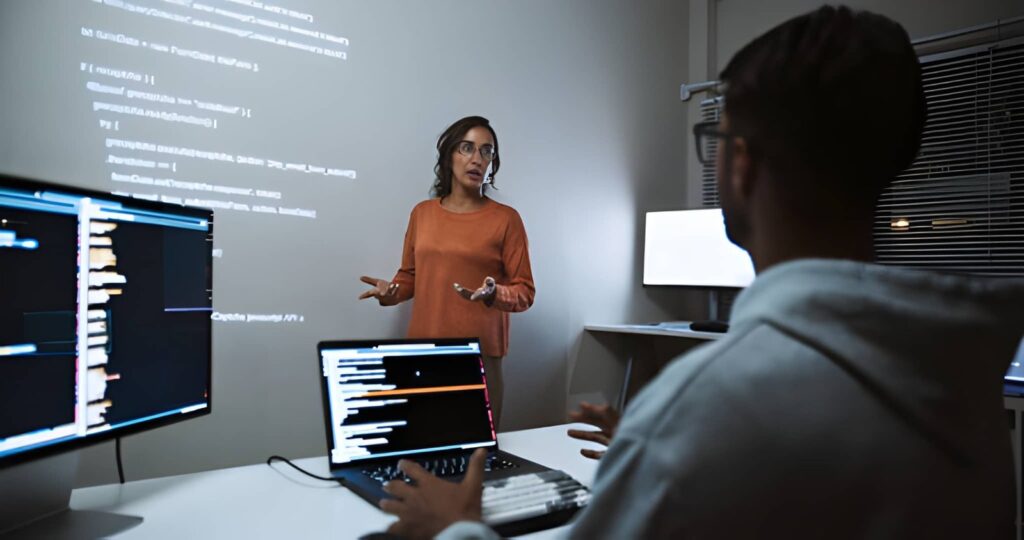
As personalized education grows, the role of teachers will continue to evolve. Rather than delivering the same lecture to an entire class, teachers will spend more time coaching individuals and small groups. They will analyze learning data, design targeted interventions, and create meaningful learning experiences.
Teachers will also need ongoing professional development. To succeed in personalized classrooms, educators must learn how to use digital tools, interpret student data, manage flexible learning environments, and support diverse learners. Schools that invest in teacher training will be better prepared for the future of education.
Importantly, personalized education does not reduce the value of teachers. In fact, it makes their role even more important. Technology can provide information, but teachers build relationships, inspire curiosity, and help students develop confidence.
Benefits of Personalized Education
The future of personalized education offers many potential benefits. First, it can improve academic outcomes by addressing individual learning gaps. Students who need extra help can receive targeted support, while advanced learners can access more challenging materials.
Second, personalized learning can increase student engagement. When students have choices and see connections between schoolwork and their own goals, they are more likely to participate actively.
Third, it supports equity in education. Personalized systems can help identify students who are falling behind and provide early intervention. This is especially important for students with disabilities, English language learners, and those from underserved communities.
Finally, personalized education helps prepare students for the future workforce. Modern careers require problem-solving, adaptability, collaboration, digital literacy, and lifelong learning. Personalized learning encourages students to develop these skills from an early age.
Challenges to Overcome
Despite its promise, personalized education faces several challenges. Not all schools have equal access to technology, high-speed internet, or updated digital tools. This digital divide can increase educational inequality if not addressed.
Data privacy is another major concern. Personalized learning platforms collect information about student performance, behavior, and progress. Schools and technology providers must ensure that this data is secure and used responsibly.
There is also a risk of over-reliance on technology. Education should remain human-centered, with strong relationships between students and teachers. Personalized learning must balance digital innovation with social interaction, creativity, and emotional development.
The Future Classroom
The future classroom will likely be more dynamic, connected, and student-centered. Students may work on different tasks at the same time, collaborate with peers online and in person, and use digital tools to explore subjects deeply. Assessments may become more flexible, focusing less on standardized tests and more on portfolios, projects, and real-world problem-solving.
Hybrid learning may also become more common, blending classroom instruction with online learning. This model can give students more control over time, pace, and place while still providing support from teachers and classmates.
Conclusion: A More Student-Centered Future
The future of personalized education is not about replacing traditional schools with technology. It is about creating learning experiences that recognize each student as an individual. With the right balance of innovation, teacher support, ethical technology, and inclusive practices, personalized education can help every learner reach their full potential.
As education continues to evolve, schools, families, and communities must work together to ensure that personalized learning is accessible, effective, and Dàn đề bất tử human-centered. The future of education will be shaped not by a single tool or trend, but by a commitment to helping every student learn in the way that works best for them