Category: General

  • The Future of Personalized Education
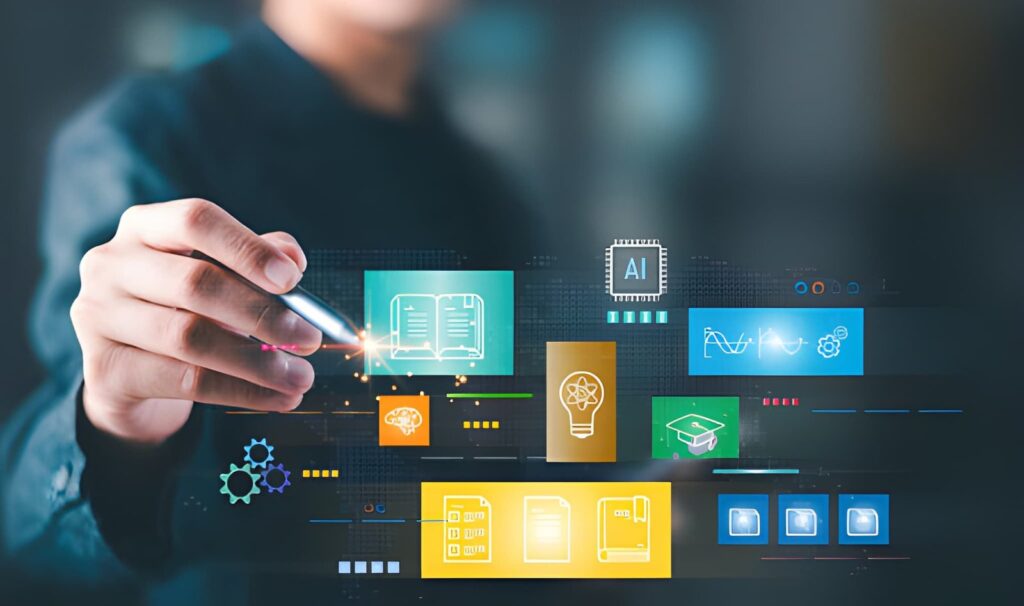
    The Future of Personalized Education

    Personalized education is transforming the way students learn, teachers teach, and schools measure success. Instead of expecting every learner to move through the same curriculum at the same pace, personalized learning adapts instruction to individual needs, interests, strengths, and goals. As technology advances and TG88 educators gain access to better tools, the future of personalized education promises a more flexible, inclusive, and effective learning experience for students of all ages.

    What Is Personalized Education?

    Personalized education is an approach to learning that tailors lessons, activities, feedback, and assessments to each student. It recognizes that learners have different backgrounds, learning styles, abilities, and motivations. Some students may need extra support in reading, while others are ready for advanced math challenges. Some learn best through visual materials, while others benefit from discussion, practice, or hands-on projects.

    In a personalized learning environment, students are not passive receivers of information. They play an active role in setting goals, tracking progress, and choosing learning pathways. Teachers act as guides, mentors, and facilitators, using data and observation to support each learner more effectively.

    The Role of Technology in Personalized Learning

    Technology is one of the biggest drivers of personalized education. Digital learning platforms, artificial intelligence, adaptive software, and learning analytics allow educators to understand student progress in real time. These tools can identify gaps in knowledge, recommend resources, and adjust difficulty levels automatically.

    For example, an adaptive math program can provide additional practice when a student struggles with fractions, then move to more advanced problems once mastery is achieved. Similarly, language learning apps can customize vocabulary, pronunciation exercises, and grammar lessons based on individual performance.

    However, technology is not meant to replace teachers. The future of personalized education depends on combining smart tools with human insight. Teachers bring empathy, creativity, cultural understanding, and emotional support—qualities that technology cannot fully replicate.

    Artificial Intelligence and Adaptive Learning

    Artificial intelligence will play a major role in the future of personalized education. AI-powered systems can analyze large amounts of student data and provide meaningful recommendations. These systems may help teachers design individualized lesson plans, predict which students need intervention, and offer instant feedback on assignments.

    AI tutors are also becoming more advanced. They can answer questions, explain concepts in different ways, and provide practice exercises anytime students need help. This is especially valuable for learners who require additional support outside regular classroom hours.

    Still, responsible use of AI in education is essential. Schools must protect student privacy, prevent bias in algorithms, and ensure that AI tools support—not control—the learning process. The most successful educational models will use AI ethically and transparently.

    Flexible Learning Paths for Every Student

    One of the most important benefits of personalized education is flexibility. Traditional education often follows a fixed schedule, where all students study the same topics at the same time. Personalized learning allows students to move forward when they are ready and spend more time on areas where they need support.

    Flexible learning paths can also include student choice. Learners may be able to choose project topics, reading materials, or methods for demonstrating understanding. For example, one student might write an essay about climate change, while another creates a presentation or video. Both can meet the same learning objectives while using different formats.

    This flexibility helps increase engagement because students feel more ownership over their education. When learning connects to personal interests and real-world goals, motivation often improves.

    The Changing Role of Teachers

    As personalized education grows, the role of teachers will continue to evolve. Rather than delivering the same lecture to an entire class, teachers will spend more time coaching individuals and small groups. They will analyze learning data, design targeted interventions, and create meaningful learning experiences.

    Teachers will also need ongoing professional development. To succeed in personalized classrooms, educators must learn how to use digital tools, interpret student data, manage flexible learning environments, and support diverse learners. Schools that invest in teacher training will be better prepared for the future of education.

    Importantly, personalized education does not reduce the value of teachers. In fact, it makes their role even more important. Technology can provide information, but teachers build relationships, inspire curiosity, and help students develop confidence.

    Benefits of Personalized Education

    The future of personalized education offers many potential benefits. First, it can improve academic outcomes by addressing individual learning gaps. Students who need extra help can receive targeted support, while advanced learners can access more challenging materials.

    Second, personalized learning can increase student engagement. When students have choices and see connections between schoolwork and their own goals, they are more likely to participate actively.

    Third, it supports equity in education. Personalized systems can help identify students who are falling behind and provide early intervention. This is especially important for students with disabilities, English language learners, and those from underserved communities.

    Finally, personalized education helps prepare students for the future workforce. Modern careers require problem-solving, adaptability, collaboration, digital literacy, and lifelong learning. Personalized learning encourages students to develop these skills from an early age.

    Challenges to Overcome

    Despite its promise, personalized education faces several challenges. Not all schools have equal access to technology, high-speed internet, or updated digital tools. This digital divide can increase educational inequality if not addressed.

    Data privacy is another major concern. Personalized learning platforms collect information about student performance, behavior, and progress. Schools and technology providers must ensure that this data is secure and used responsibly.

    There is also a risk of over-reliance on technology. Education should remain human-centered, with strong relationships between students and teachers. Personalized learning must balance digital innovation with social interaction, creativity, and emotional development.

    The Future Classroom

    The future classroom will likely be more dynamic, connected, and student-centered. Students may work on different tasks at the same time, collaborate with peers online and in person, and use digital tools to explore subjects deeply. Assessments may become more flexible, focusing less on standardized tests and more on portfolios, projects, and real-world problem-solving.

    Hybrid learning may also become more common, blending classroom instruction with online learning. This model can give students more control over time, pace, and place while still providing support from teachers and classmates.

    Conclusion: A More Student-Centered Future

    The future of personalized education is not about replacing traditional schools with technology. It is about creating learning experiences that recognize each student as an individual. With the right balance of innovation, teacher support, ethical technology, and inclusive practices, personalized education can help every learner reach their full potential.

    As education continues to evolve, schools, families, and communities must work together to ensure that personalized learning is accessible, effective, and Dàn đề bất tử human-centered. The future of education will be shaped not by a single tool or trend, but by a commitment to helping every student learn in the way that works best for them
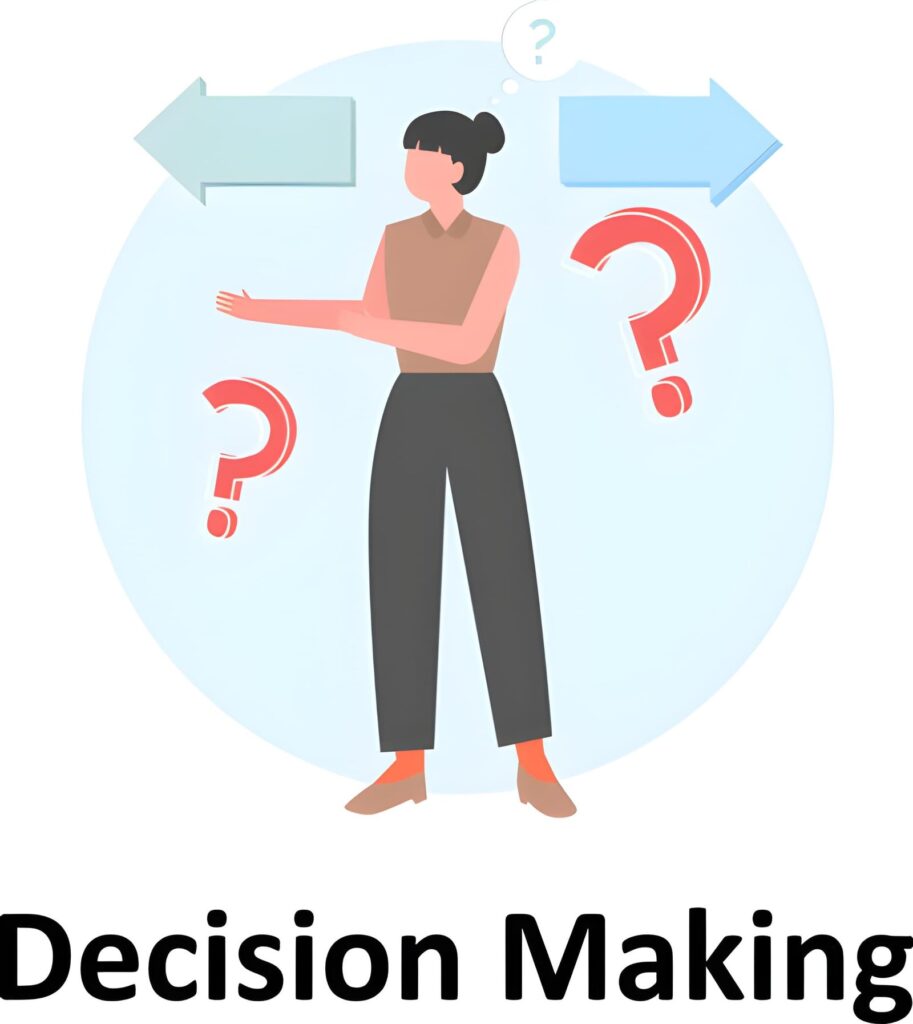

  • How to Improve Decision-Making Skills as a Student

    How to Improve Decision-Making Skills as a Student

    Making good decisions is one of the most important skills students Hubet can develop. Whether you are choosing a course, managing your study schedule, deciding how to spend your money, or planning your future career, King88 affects your academic success and personal growth. The good news is that decision-making skills can be learned and improved with practice. By using the right strategies, students can become more confident, responsible, and prepared for challenges in school and life.

    Why Decision-Making Skills Matter for Students

    Students face decisions every day. Some are small, such as what to study first or how to organize notes. Others are bigger, such as choosing a college major, joining a club, applying for internships, or deciding whether to work part-time. Strong decision-making skills help students avoid unnecessary stress and make choices that support their goals.

    Good decision-making also improves time management, problem-solving, confidence, and independence. When students know how to evaluate options carefully, they are less likely to act impulsively or follow peer pressure. Instead, they can make thoughtful choices based on facts, values, and long-term benefits.

    Understand the Decision You Need to Make

    The first step to improving decision-making skills as a student is understanding the decision clearly. Many poor choices happen because students rush without knowing the real problem. Before making a decision, ask yourself: What exactly do I need to decide? Why is this decision important? What will happen if I do nothing?

    For example, if you are struggling in a subject, the decision may not simply be “Should I study more?” A clearer question might be, “Should I ask for tutoring, change my study method, or create a weekly revision plan?” Defining the decision helps you focus on useful solutions.

    Gather Relevant Information

    A good decision is based on accurate information. Before choosing, take time to research your options. If you are selecting a university course, read course descriptions, talk to teachers, compare career opportunities, and check admission requirements. If you are deciding how to improve your grades, review your past performance and identify weak areas.

    However, avoid gathering too much information. Too many details can lead to confusion and delay. Focus on information that directly affects your choice. Reliable sources, such as teachers, academic advisors, official websites, books, and trusted professionals, can help you make informed decisions.

    Compare Your Options

    Once you understand the decision and have enough information, list your options. Writing them down can make the process clearer. For each option, think about the advantages, disadvantages, risks, and possible results.

    A simple pros and cons list is a helpful tool. For example, if you are deciding whether to join a student organization, the pros may include making friends, building leadership skills, and improving your resume. The cons may include less free time and additional responsibilities. Comparing options allows you to see which choice best matches your priorities.

    Think About Short-Term and Long-Term Consequences

    Students often make decisions based on immediate comfort or pressure. However, effective decision-making requires thinking about both short-term and long-term effects. A choice that feels easy now may create problems later, while a difficult choice may lead to better opportunities.

    For example, skipping study time to relax may feel good in the moment, but it could hurt your exam results. On the other hand, studying consistently may require discipline, but it can improve grades and reduce stress before exams. Before making a decision, ask yourself how it will affect your future self.

    Know Your Values and Goals

    Your values and goals should guide your decisions. Values are the things that matter most to you, such as honesty, education, family, health, creativity, or financial independence. Goals are what you want to achieve, such as earning good grades, getting into a university, learning a skill, or starting a career.

    When your decisions match your values and goals, you are more likely to feel satisfied and motivated. For instance, if your goal is to improve your academic performance, choosing a quiet study environment instead of attending every social event may be the better decision. Knowing what matters to you makes decision-making easier.

    Manage Emotions Before Deciding

    Emotions play a big role in decision-making. Stress, anger, fear, excitement, or embarrassment can lead to impulsive choices. As a student, you may sometimes feel pressured by deadlines, friends, family expectations, or exam results. It is important to pause and calm your mind before making important decisions.

    Try taking deep breaths, going for a walk, writing down your thoughts, or waiting until the next day if the decision is not urgent. This gives your brain time to think clearly. Emotional awareness helps you respond wisely instead of reacting quickly.

    Ask for Advice, But Decide for Yourself

    Seeking advice is a smart way to improve decision-making skills. Teachers, parents, mentors, friends, and academic counselors can offer useful perspectives. They may notice things you have not considered and help you understand your options better.

    However, advice should support your decision, not replace it. As a student, learning to make your own choices is part of becoming independent. Listen carefully, ask questions, and consider different opinions, but choose what fits your situation, values, and goals.

    Learn from Past Decisions

    Every decision, whether good or bad, is a learning opportunity. Reflecting on past choices can help you improve future decisions. Ask yourself: What worked well? What did not work? What would I do differently next time?

    For example, if you waited until the last minute to complete an assignment and received a low grade, you can learn to start earlier next time. If you chose a study method that helped you perform well, you can use it again. Reflection builds experience, and experience strengthens decision-making.

    Practice Making Small Decisions

    Like any skill, decision-making improves with practice. Start with small daily choices, such as planning your study routine, choosing healthy meals, setting screen-time limits, or organizing your tasks. These small decisions help you build confidence and discipline.

    As you become more comfortable, you will be better prepared for bigger decisions, such as choosing subjects, applying for scholarships, or planning your career path. Practicing small decisions also reduces fear of making mistakes.

    Avoid Common Decision-Making Mistakes

    Students can improve their decision-making by avoiding common mistakes. These include rushing, ignoring facts, copying others, focusing only on short-term rewards, and letting fear control choices. Another common mistake is perfectionism. Waiting for the “perfect” decision can lead to delay and anxiety.

    Remember that not every decision will be perfect. The goal is to make the best choice possible with the information you have. If things do not go as planned, you can adjust and learn.

    Final Thoughts

    Improving nổ hũ 777 skills as a student takes time, practice, and self-awareness. By understanding the decision, gathering information, comparing options, thinking about consequences, managing emotions, and learning from experience, students can make smarter choices. Strong decision-making skills not only help with academic success but also prepare students for careers, relationships, and life challenges.

    The more you practice making Rồng Hổ thoughtful decisions, the more confident and independent you become. Start with small choices today, and over time, you will develop the ability to make better decisions for your future.

  • Effective Public Speaking Tips for Students

    Effective Public Speaking Tips for Students

    Public speaking is one of the most valuable skills students can develop. Whether you are giving a class presentation, speaking at a school event, joining a debate, or preparing for future job interviews, the ability to communicate clearly and confidently can make a big difference. Many students feel nervous before speaking in front of others, but with the right techniques and regular practice, anyone can improve.

    This article shares effective public speaking tips for students to help you speak with confidence, connect with your audience, and deliver your message successfully.

    Why Public Speaking Matters for Students

    Public speaking is more than just standing in front of a classroom and reading from notes. It teaches you how to organize ideas, express opinions, and communicate with different types of audiences. These skills are useful in school, college, and future careers.

    Students who are good at public speaking often become better leaders, stronger team members, and more confident individuals. Public speaking also improves critical thinking because you must understand your topic, choose the most important points, and explain them in a simple way.

    Understand Your Topic Clearly

    One of the most important public speaking tips for students is to know your topic well. When you understand what you are talking about, you naturally feel more confident. Start by researching your subject from reliable sources. Read articles, books, or trusted websites, and take notes on key points.

    Avoid memorizing every sentence. Instead, understand the main ideas. This will help you speak more naturally and recover easily if you forget a word or phrase. If your teacher or audience asks questions, you will also be better prepared to answer.

    Know Your Audience

    Before preparing your speech, think about who will be listening. Are you speaking to classmates, teachers, parents, or judges? Knowing your audience helps you choose the right tone, examples, and language.

    For example, if you are speaking to classmates, you can use simple examples, humor, or relatable stories. If you are presenting to teachers or judges, you may need a more formal tone. A good speaker always considers what the audience needs and expects.

    Create a Strong Structure

    A clear structure makes your speech easier to follow. Most speeches have three main parts: introduction, body, and conclusion.

    Your introduction should grab attention. You can begin with a question, a surprising fact, a short story, or a powerful quote. After that, briefly introduce your topic and explain what you will talk about.

    The body of your speech should include your main points. Try to limit your speech to three or four key ideas so your audience can remember them easily. Use examples, facts, or personal experiences to support each point.

    Your conclusion should summarize your message and leave a lasting impression. End with a strong final sentence that encourages your audience to think or take action.

    Practice Before You Speak

    Practice is essential for effective public speaking. Read your speech aloud several times. This helps you identify difficult words, awkward sentences, or sections that are too long. Practicing also improves your timing.

    You can practice in front of a mirror, record yourself, or speak to a friend or family member. Watching a recording of yourself may feel uncomfortable at first, but it is very helpful. You can notice your posture, facial expressions, voice, and gestures.

    The more you practice, the more natural your speech will sound.

    Use Simple and Clear Language

    Students sometimes try to use complicated words to sound intelligent. However, effective public speaking is about being understood, not showing off vocabulary. Use simple, clear, and direct language.

    Short sentences are usually easier for audiences to follow. Avoid reading long paragraphs from your paper or slides. Instead, speak as if you are having a meaningful conversation with your listeners.

    If you must use technical words, explain them briefly. Your goal is to make your message easy to understand.

    Improve Your Body Language

    Body language plays a major role in public speaking. Even before you begin speaking, your posture and expression send a message to the audience. Stand straight, keep your shoulders relaxed, and face the audience.

    Eye contact is especially important. It shows confidence and helps you connect with listeners. Instead of staring at one person or looking down the whole time, move your eyes around the room naturally.

    Use hand gestures to emphasize important points, but do not overdo them. Avoid nervous habits such as playing with your hair, tapping your feet, or holding your notes too tightly.

    Control Your Voice

    Your voice can make your speech interesting or boring. Speak loudly enough for everyone to hear, but do not shout. Pay attention to your speed. Many students speak too fast when they are nervous, which makes it hard for the audience to understand.

    Try to vary your tone. Raise your voice slightly when making an important point and slow down when explaining something serious. Pauses are also powerful. A short pause gives the audience time to think and helps you stay calm.

    Manage Nervousness

    Feeling nervous before public speaking is completely normal. Even experienced speakers get nervous. The key is to manage your fear instead of letting it control you.

    Take deep breaths before you begin. Remind yourself that the audience wants you to do well. Focus on your message rather than on your fear. It also helps to arrive early, check the room, and prepare your materials in advance.

    If you make a mistake, do not panic. Most people will not notice small errors unless you draw attention to them. Simply continue speaking.

    Use Visual Aids Wisely

    Slides, posters, or images can make your presentation more engaging, but they should support your speech, not replace it. Avoid putting too much text on slides. Use bullet points, pictures, charts, or keywords.

    Do not read directly from your slides. Instead, explain the information in your own words. Good visual aids help the audience understand your message more clearly.

    Ask for Feedback and Keep Improving

    After your speech, ask your teacher, classmates, or friends for feedback. Find out what you did well and what you can improve. Public speaking is a skill that gets better with time and practice.

    Every presentation is a learning opportunity. The more you speak in front of others, the more confident and skilled you will become.

    Conclusion

    Public speaking may seem challenging at first, but students can become effective speakers by preparing well, practicing regularly, and staying calm. By understanding your topic, organizing your speech, using clear language, improving body language, and managing nervousness, you can deliver powerful presentations.

    These effective public speaking tips for students can help you succeed in school and prepare for future opportunities. With patience and practice, you can turn public speaking from a fear into a strength.